
Starbucks International Licensing Opportunities for Developers
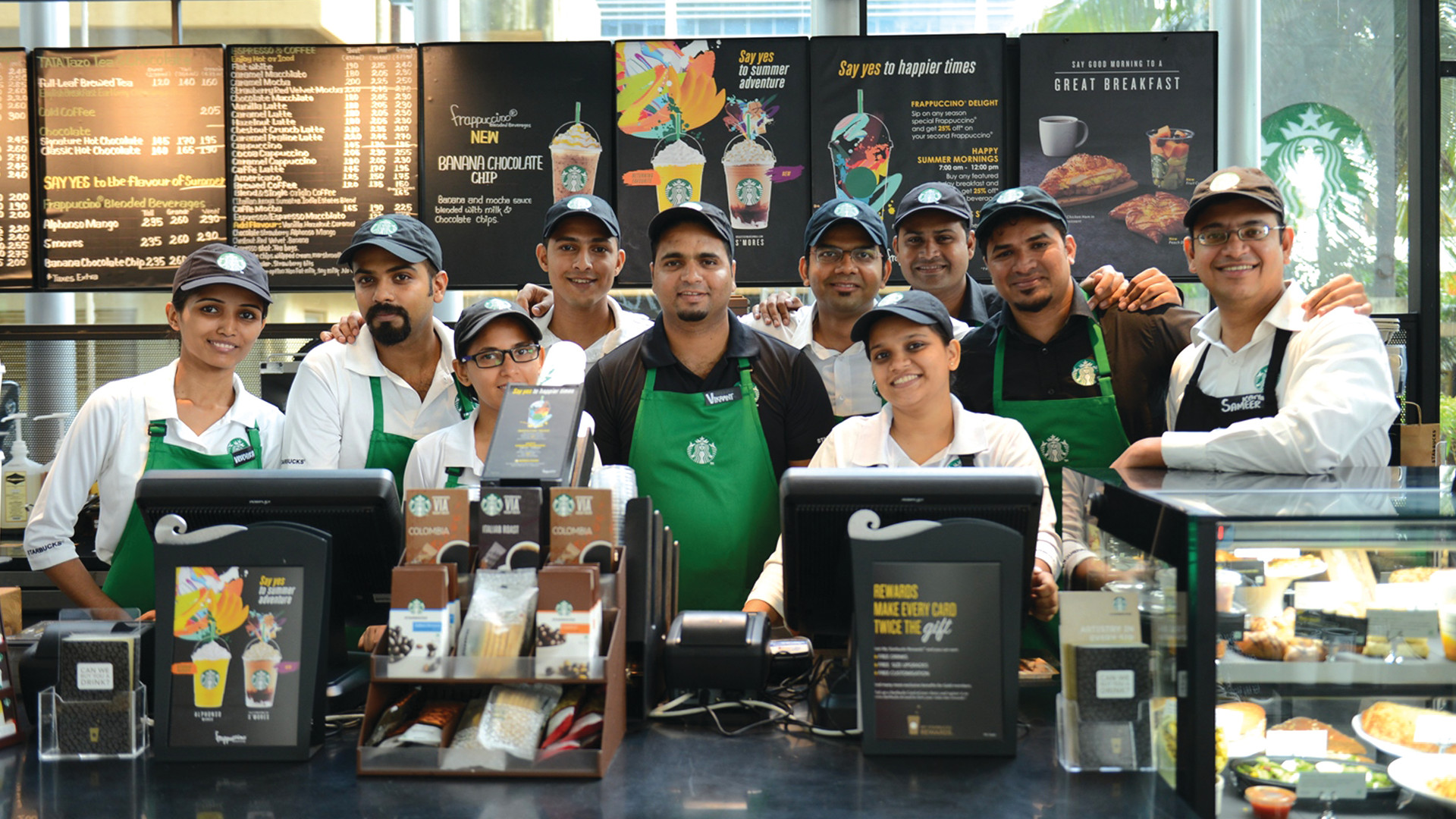
International licensing opportunities continue to attract serious developers, hospitality groups, airport operators, real estate owners, and regional commercial partners seeking participation in premium global retail and foodservice environments.
For Starbucks franchise and license development, international licensing is often connected to market readiness, local operating capability, real estate access, hospitality infrastructure, commercial discipline, and long-term execution strength.
Why international licensing matters.
International markets often require local partners with deep knowledge of real estate, consumer behavior, regulatory conditions, staffing environments, supply chains, and hospitality expectations.
Strong licensing opportunities are usually shaped by:
Licensing development principle.
The strongest licensing opportunities usually appear where market demand, operator capability, real estate quality, capital strength, and long-term commercial strategy align together.
Who is best positioned for international licensing?
International licensing opportunities are typically most relevant to groups with serious operating infrastructure and commercial reach.
Real estate access is a major advantage.
Developers with access to premium retail environments can be strongly positioned because location quality remains one of the most important elements in successful coffeehouse development.
Relevant real estate environments may include:
Local operating capability is essential.
International licensing is not simply a real estate opportunity. It requires ongoing operational discipline across staffing, training, service delivery, product standards, customer experience, compliance, and performance management.
Strong operators usually have systems for:
Airport and travel retail developers may have strong positioning.
Airport operators and travel retail concessionaires can be attractive licensing candidates because airports concentrate passenger movement, international visibility, and premium convenience demand.
A strong airport opportunity may include passenger volume data, terminal maps, concession access, retail zoning, lease conditions, operating requirements, and passenger behavior insights.
Hospitality developers can also be well positioned.
Hotel groups, resort owners, tourism developers, and destination hospitality operators can also be relevant where their assets create strong guest activity and premium customer environments.
Hospitality-linked licensing opportunities may be connected to:
Market readiness should be reviewed carefully.
Before pursuing international licensing, developers should assess whether the target market has the right mix of demand, infrastructure, competition, supply chain access, labor availability, and long-term commercial stability.
Markets with strong tourism, airport traffic, urban density, premium retail corridors, and hospitality development may be more attractive than markets with demand alone but weak infrastructure.
Final thoughts.
Starbucks international licensing opportunities require more than interest in a global brand. The strongest developers usually bring market knowledge, real estate access, hospitality capability, operating systems, capital readiness, and long-term commercial discipline.
For qualified developers, international licensing can become a powerful pathway into premium retail, hospitality, airport, and tourism-linked commercial environments.
Exploring an international licensing opportunity?
Submit your developer profile, target market, operating experience, real estate access, or hospitality infrastructure for structured review.
Submit Strategic Partnership Interest
Leave a Reply