
How Starbucks Expansion Aligns With Global Tourism Growth
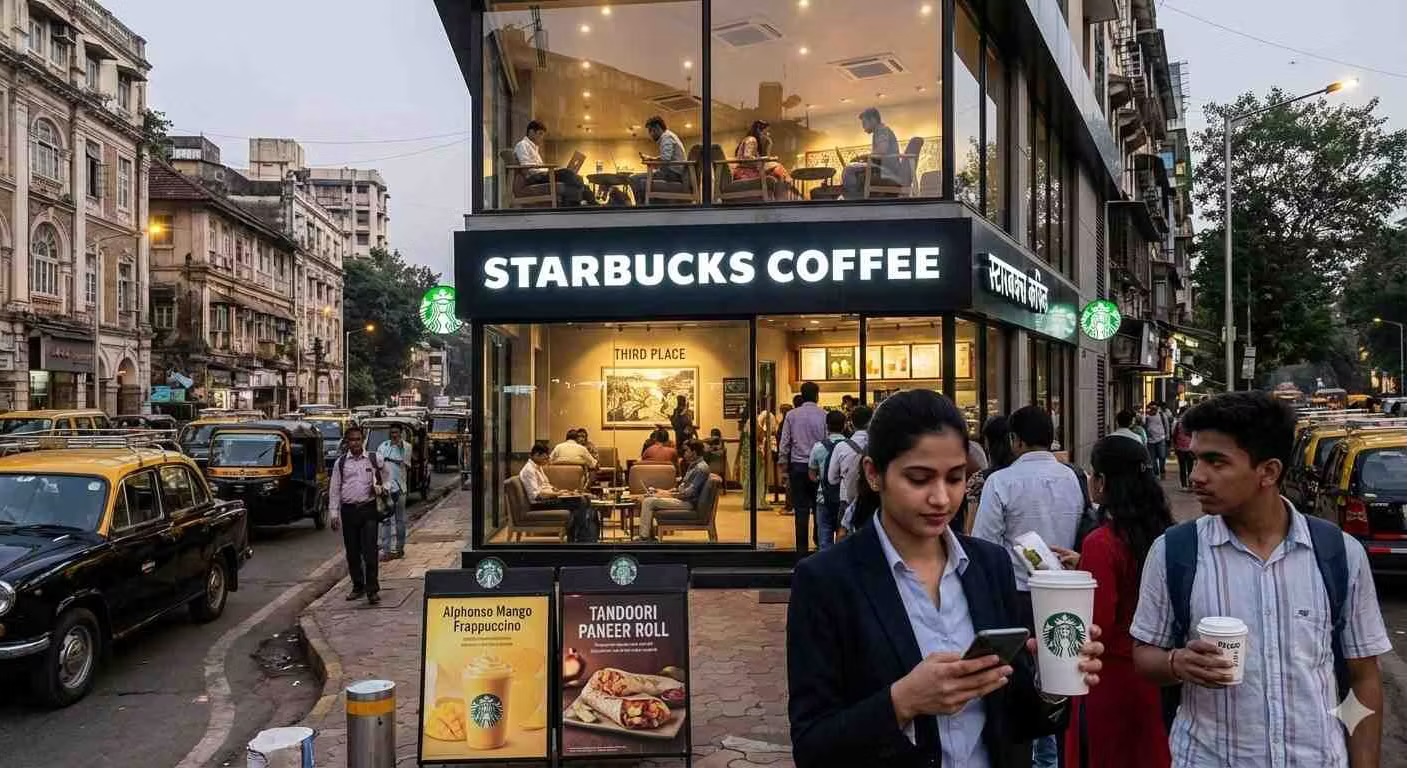
Global tourism continues to reshape hospitality, airport retail, premium commercial development, and consumer lifestyle environments around the world. As international travel expands and countries invest heavily in tourism infrastructure, new opportunities continue to emerge across hospitality ecosystems, airport hubs, waterfront developments, and mixed-use commercial districts.
For Starbucks franchise and license opportunities, tourism growth is often one of the strongest long-term commercial signals because it creates recurring international customer activity, hospitality demand, and premium retail visibility.
Tourism growth influences commercial retail development.
Modern tourism infrastructure is no longer limited to hotels and airports alone. Many tourism-focused markets now invest heavily in broader commercial ecosystems that include:
As these ecosystems expand, hospitality-linked retail environments frequently become part of the overall tourism experience.
Tourism expansion principle.
The strongest tourism-linked commercial opportunities usually emerge where hospitality investment, airport growth, premium retail infrastructure, and international visitor demand are growing simultaneously.
Why tourism markets can support Starbucks expansion.
Tourism-heavy environments often create strong conditions for premium café and hospitality retail because they combine international visibility with recurring customer movement.
This may include:
Airport growth and tourism are closely connected.
As tourism expands, airports often become larger commercial ecosystems supporting passenger hospitality, retail, foodservice, and international travel experiences.
Many countries are investing heavily in:
These investments can create stronger travel retail environments connected to tourism-driven customer activity.
Hospitality ecosystems are becoming more integrated.
Modern tourism destinations increasingly combine hotels, retail, entertainment, residential infrastructure, office environments, and waterfront development into integrated hospitality ecosystems.
This integrated model creates:
Island and resort destinations continue to grow.
Island markets and resort economies are becoming increasingly sophisticated commercial environments. Many destinations are evolving beyond seasonal tourism into year-round hospitality ecosystems supported by:
As these destinations mature commercially, premium hospitality and café environments often become increasingly relevant.
Premium retail corridors benefit from tourism growth.
Tourism expansion frequently strengthens luxury shopping districts, hospitality corridors, and destination retail environments because visitors contribute additional spending and international brand visibility.
Strong tourism-linked premium retail environments often combine:
Strong operators remain critical.
Tourism growth alone is not enough to support successful development. Strong operators remain essential because hospitality-linked environments require operational discipline, premium service standards, customer experience management, and long-term commercial execution.
Experienced hospitality groups, airport operators, resort developers, tourism-focused commercial groups, and multi-unit operators are often better positioned to navigate tourism-driven markets effectively.
Final thoughts.
Global tourism growth continues to influence hospitality, airport retail, mixed-use development, waterfront infrastructure, premium retail corridors, and destination commercial ecosystems worldwide.
As countries continue investing in tourism infrastructure and international hospitality positioning, tourism-linked Starbucks franchise and license opportunities may continue to emerge across airports, resorts, premium retail environments, and global hospitality corridors.
Exploring a tourism-driven opportunity?
Submit your hospitality, airport, resort, tourism corridor, or destination retail opportunity for structured commercial review.
Explore Market Intelligence
Leave a Reply