
Starbucks Franchise and License Guide for Global Operators
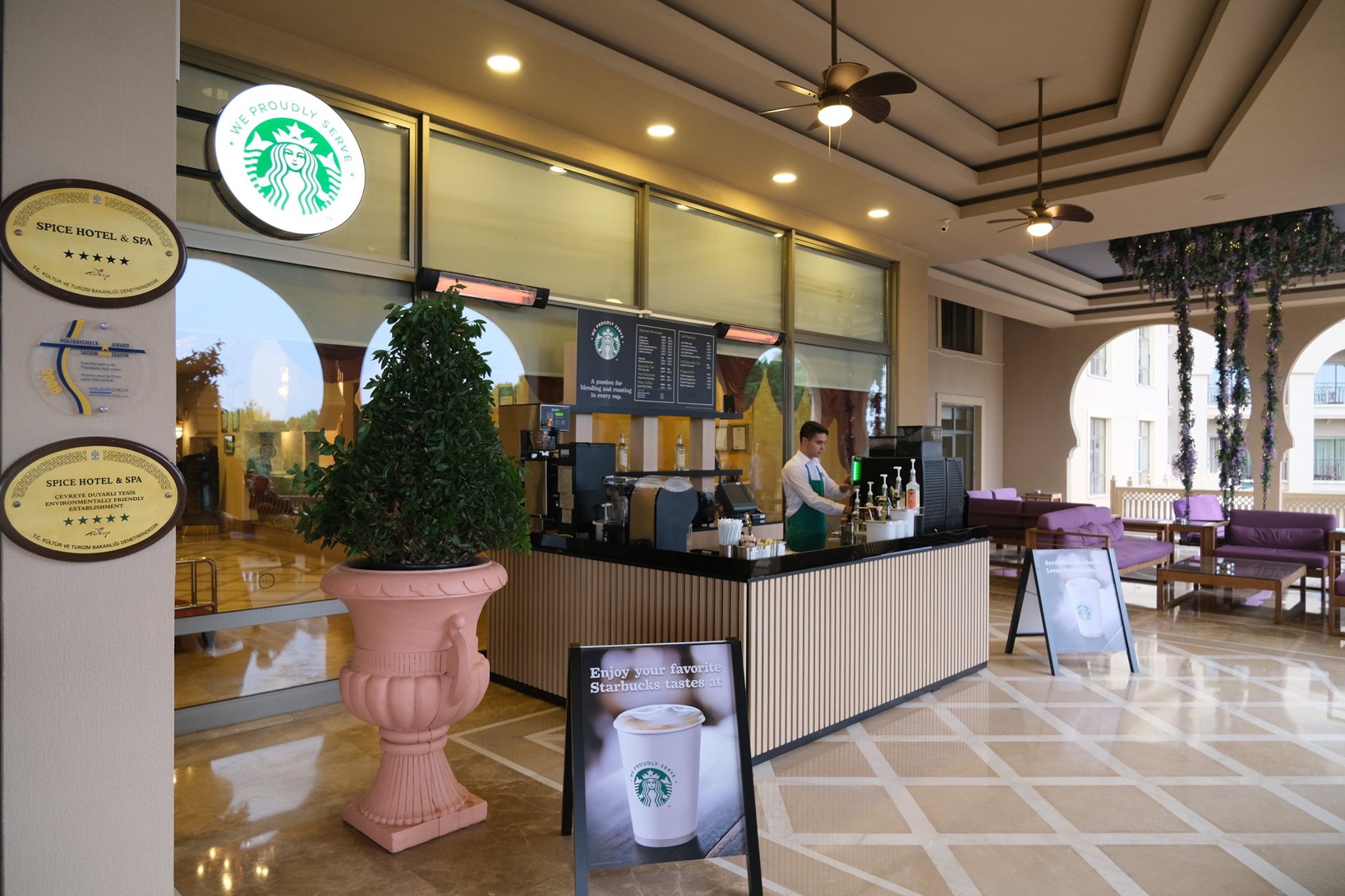
Global Starbucks franchise and license opportunities continue to attract interest from hospitality groups, airport concessionaires, restaurant operators, tourism developers, retail investors, and strategic commercial partners seeking participation in premium international retail environments.
For serious operators, understanding how international franchise and license opportunities are evaluated is important. Successful development usually depends on a combination of operational capability, hospitality experience, real estate access, capital readiness, and long-term commercial execution.
Understanding the difference between franchise and license environments.
Different international markets may operate through different commercial structures depending on regional strategy, operational requirements, market maturity, and local partnership models.
The key focus for operators is typically not the terminology alone, but whether the commercial environment supports:
International development principle.
Strong global operators are usually evaluated based on operational quality, hospitality execution, financial capability, real estate positioning, and long-term market growth potential rather than enthusiasm alone.
Who typically explores Starbucks franchise and license opportunities?
International opportunities are often explored by experienced commercial groups rather than first-time operators with no infrastructure.
Real estate quality is extremely important.
Premium location quality remains one of the most important parts of successful hospitality and retail development.
Strong opportunities are often connected to:
The strongest locations usually combine visibility, accessibility, premium customer traffic, and long-term commercial sustainability.
Hospitality experience creates a major advantage.
Operators with hospitality, tourism, travel retail, or premium customer service experience often have stronger positioning because Starbucks environments rely heavily on customer experience consistency.
This may include experience in:
Emerging markets require disciplined evaluation.
Many global operators are attracted to emerging markets because of tourism growth, airport expansion, urbanization, premium retail demand, and commercial infrastructure development.
However, disciplined market evaluation remains critical. Strong operators typically assess:
Airport and travel retail remain major opportunity categories.
Travel retail environments continue to expand globally as airports evolve into premium commercial ecosystems. Many operators are increasingly interested in airport-linked opportunities connected to:
Multi-unit capability matters.
Global operators are often evaluated not only on a single location opportunity, but on their ability to support long-term regional growth and operational scalability.
This may include:
Final thoughts.
Starbucks franchise and license opportunities continue to attract interest across hospitality, tourism, airport retail, mixed-use developments, and premium commercial environments globally.
For serious operators, success usually depends on operational quality, hospitality experience, location strategy, commercial discipline, and long-term market execution capability.
The strongest opportunities often emerge where experienced operators, premium real estate, tourism growth, and hospitality infrastructure align together.
Exploring a franchise or license opportunity?
Submit your operator profile, hospitality background, real estate access, airport retail experience, or market expansion interest for structured development review.
Explore Franchise & License Guide
Leave a Reply